Cessna 172RG Rear RH Baffle Assembly
Cessna 172RG Rear RH Baffle Assembly
Blog Article
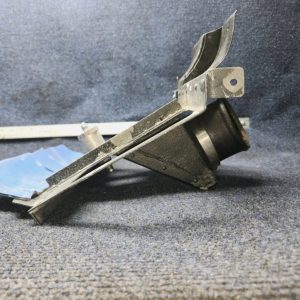
The Cessna 172RG Rear RH Baffle Assembly
Accurate use of Cessna 172RG Rear Right-Hand Baffle, Cessna 172RG Engine Baffle, and Cessna 172RG Cooling Baffle terminology improves SEO without overstating fitment.
A Cessna Cutlass Engine Baffle may form part of a broader Cessna 172RG Baffle Assembly, while the Rear RH Engine Baffle must match the exact side, shape, and attachment arrangement.
A Cessna Engine Cooling Baffle, Cessna 172RG Engine Compartment Parts package, Aircraft Cooling Air Baffle, and Cessna 172RG Airflow Baffle contribute to controlling how cooling air moves around the installed engine.
The Cessna Aircraft Engine Baffle may provide replacement value when its geometry, mounting points, seals, and material condition remain suitable.
Key Identification Details for the Cutlass Baffle
The P/N 2455038-2 marking should be confirmed through stamped identification, labels, donor-aircraft records, packaging, photographs, and applicable Cessna parts information.
Informal cross-references should not replace current parts information or approved technical data.
Purpose of the Rear RH Engine Baffle
Cracks, missing seals, loose fasteners, or distorted edges can allow cooling air to bypass intended areas.
A replacement component should restore the intended geometry without creating interference with cylinders, hoses, wiring, controls, exhaust parts, or cowling.
Aircraft Model and Serial Applicability
The Cessna 172RG Cutlass may contain production changes, previous repairs, engine modifications, or altered cooling-system components that affect fitment.
The engine model and installed accessories can influence clearances, brackets, hoses, wiring routes, and the shape of surrounding cooling components.
Engine Compartment Sheet-Metal Features
The exact material, thickness, temper, finish, and construction should be confirmed through applicable technical information when required.
Small distortions may create air gaps, cowling interference, fastener misalignment, or stress around mounting points.
Aircraft Cooling Component Inspection
Areas near fasteners and vibration-prone attachment points deserve particular attention.
Unusual waviness or twisted geometry should be measured rather than dismissed as cosmetic.
Inspecting Engine Baffle Seals
Torn, hardened, curled, shortened, oil-soaked, missing, or incorrectly oriented seals can reduce the effectiveness of the cooling system.
Seal attachment holes and retaining strips should be inspected for corrosion, cracking, elongation, and previous modification.
Protecting Aircraft Cooling Components
Surface staining may be minor, while pitting, material loss, exfoliation, or corrosion around holes can require more extensive action.
The cause of contamination should be corrected before a replacement baffle is installed.
Cessna Engine Baffle Mounting Condition
Fastener holes should be checked for elongation, cracking, burrs, corrosion, double drilling, fretting, and evidence of repeated removal.
Old hardware should not be reused automatically because it fits the existing holes.
Planning a Complete Baffle Repair
A rear-baffle replacement click here may require adjacent baffles, seals, brackets, clips, fasteners, retainers, supports, and cowling-related components.
Used Cessna 172RG Engine Compartment Parts should be evaluated individually rather than accepted solely because they came from the same donor aircraft.
Avoiding Unnecessary Component Replacement
A damaged rear RH baffle may contribute to cooling-air leakage, but it may not be the only cause of an abnormal indication.
System-level diagnosis supports responsible engine cooling maintenance.
Sheet-Metal Cooling Component Restoration
A documented repair plan supports a more consistent result.
Unauthorized welding, oversized fasteners, excessive material removal, or uncontrolled bending can reduce suitability.
Commercial Value of the Cessna 172RG Baffle
Honest listings reduce disputes and strengthen buyer confidence.
Dimensions and detailed photographs should be supplied before shipping arrangements are finalized.
Inspecting the Baffle Before Purchase
The seller should provide photographs showing both sides, flanges, holes, brackets, contours, edges, markings, corrosion areas, seals, and repairs.
- Determine whether seal material, retainers, fasteners, clips, brackets, records, or release documents are included.
- Inspect the baffle for cracks, corrosion, pitting, dents, buckling, distortion, elongated holes, fretting, broken brackets, damaged flanges, and previous repairs.
- Require packaging that supports the baffle without bending flanges, crushing contours, damaging brackets, scratching finishes, or allowing loose hardware to strike the panel.
Safe Handling of P/N 2455038-2
The shipping container should resist crushing, puncture, vibration, and uncontrolled movement.
Identification tags and records should remain attached or clearly associated with the component.
Installing the Cessna 172RG Rear RH Baffle
Any mismatch should be investigated rather than corrected through uncontrolled force or modification.
Temporary fitting can help reveal alignment and clearance concerns before final attachment.
Disciplined installation and documentation protect the Cessna 172RG Rear RH Baffle Assembly
Maintaining the Cessna 172RG Cooling System
Long-term maintenance includes periodic inspection of the baffle, seals, fasteners, brackets, adjacent panels, cowling contact areas, protective finishes, and corrosion-prone locations.
Preventive maintenance protects both P/N 2455038-2 and surrounding Cessna 172RG Engine Compartment Parts.
Buying a Rear Right-Hand Engine Baffle
The Cessna 172RG Rear RH Baffle Assembly
Aviation maintenance personnel should evaluate the assembly before repair, alteration, installation, or operational release.
Whether buyers need a Cessna 172RG Baffle Assembly, Rear RH Engine Baffle, Aircraft Engine Baffle Assembly, or Cessna Engine Cooling Baffle, aircraft-specific compatibility should be verified.
With verified identity, suitable material condition, accurate geometry, professional installation, organized documentation, and routine inspection, the baffle can provide dependable long-term value.
Report this page